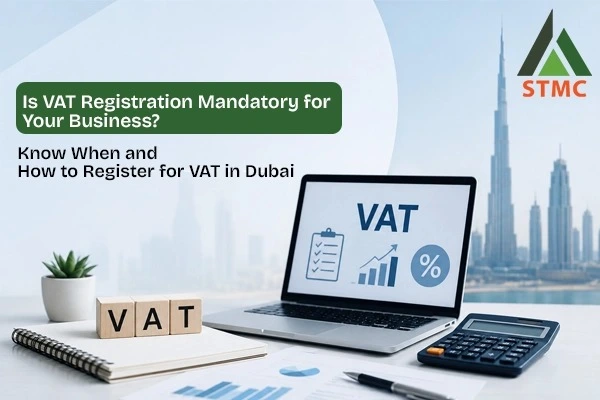
VAT registration is mandatory for a UAE-resident business when the value of its taxable supplies and imports exceeds AED 375,000 over the previous 12 months or is expected to exceed that amount in the next 30 days. Businesses that do not meet the mandatory threshold may generally register voluntarily when their taxable supplies, imports or taxable expenses exceed AED 187,500, subject to the applicable UAE VAT rules.
VAT is an important part of doing business in the UAE. Since its introduction, businesses that fall within the registration requirements have been responsible for registering with the Federal Tax Authority (FTA), charging VAT on applicable taxable supplies, maintaining records and submitting VAT returns.
However, not every business in Dubai is automatically required to register for VAT.
Whether registration is mandatory depends on factors such as taxable turnover, imports, the nature of supplies and whether the business is resident or non-resident for UAE VAT purposes.
Understanding these rules can help businesses avoid late registration, incorrect VAT treatment and unnecessary compliance risks.
If you are unsure whether your business needs to Register for VAT Dubai, professional assistance from Sai Tax Management Consultants can help you assess your position and complete the registration process correctly.
What Is VAT Registration in the UAE?
VAT registration is the process of registering a business with the UAE Federal Tax Authority for Value Added Tax purposes.
After successful registration, the business receives a Tax Registration Number (TRN) and becomes responsible for meeting the relevant VAT compliance requirements.
These responsibilities may include:
Charging VAT on taxable supplies
Issuing compliant tax invoices
Maintaining VAT records
Tracking input and output VAT
Filing VAT returns
Paying VAT due to the FTA
Claiming eligible input VAT
Maintaining supporting documentation
The FTA's official VAT registration service provides the current registration process and eligibility information.
When Is VAT Registration Mandatory in Dubai?
For a UAE-resident business making taxable supplies, VAT registration is generally mandatory when the value of taxable supplies and imports:
Exceeded AED 375,000 during the previous 12 months, or
It is expected to exceed AED 375,000 within the next 30 days.
The mandatory registration threshold is therefore AED 375,000.
For example, suppose a Dubai-based consulting company has taxable supplies that have exceeded AED 375,000 over the relevant period.
The business should assess its VAT registration obligation and take the necessary steps within the applicable timeframe.
Importantly, the threshold does not simply mean total money received into the company's bank account. Businesses need to determine which transactions are relevant taxable supplies and imports under UAE VAT rules.
What Is the Voluntary VAT Registration Threshold?
A business that does not meet the mandatory registration requirement may still be eligible for voluntary registration.
The voluntary VAT registration threshold is generally:
AED 187,500
A UAE-resident business may apply for voluntary registration where the value of its taxable supplies, imports or taxable expenses meets the applicable threshold. The FTA confirms that the threshold can be assessed based on the previous 12 months or expected amounts over the next 30 days.
Voluntary registration may be particularly relevant for growing businesses that incur significant VAT on eligible business expenses.
However, registration also creates ongoing compliance obligations, so businesses should consider both the benefits and responsibilities before applying.
What Counts Towards the VAT Registration Threshold?
Understanding what is included in the threshold calculation is essential.
The FTA explains that taxable supplies include zero-rated supplies, while exempt supplies are excluded from the taxable turnover calculation.
Relevant transactions may include:
Sale of taxable goods
Taxable services
Certain local supplies
Relevant imports
Zero-rated taxable supplies
Businesses should therefore avoid simply looking at their gross revenue.
For example, a company may have a combination of taxable and exempt activities. The correct VAT registration calculation requires those transactions to be classified correctly.
If your business has multiple revenue streams, professional VAT consultancy services in Dubai can help review your transactions and determine whether registration is required.
Do Zero-Rated Supplies Count?
Yes, zero-rated supplies are generally included when assessing taxable turnover for VAT registration.
This is an important distinction between zero-rated and exempt supplies.
A zero-rated supply is taxable at 0%, whereas an exempt supply has a different VAT treatment.
The FTA's VAT User Guide confirms that turnover for registration purposes includes zero-rated supplies and excludes exempt supplies.
Businesses that export goods or services or operate in sectors involving qualifying zero-rated supplies should therefore consider those transactions when assessing their registration position.
Are Free Zone Businesses Exempt From VAT Registration?
No.
A business operating in a UAE Free Zone is not automatically exempt from VAT.
If the business meets the applicable VAT registration requirements, it may need to register regardless of whether it operates from a mainland location or Free Zone.
The FTA has clarified that taxable turnover exceeding the mandatory threshold can trigger registration for businesses operating in both Free Zones and mainland areas.
This is different from certain Corporate Tax rules applicable to Qualifying Free Zone Persons.
If you also need to understand the distinction between Free Zone Corporate Tax treatment and other tax obligations, read our previous guide on What Is Qualifying Income for UAE Corporate Tax?.
What About Businesses Based Outside the UAE?
Non-UAE-resident businesses can have different VAT registration requirements.
The FTA states that a non-resident business making taxable supplies in the UAE may be required to register regardless of the AED 375,000 threshold where no other person in the UAE is responsible for accounting for the VAT on those supplies.
Therefore, overseas businesses supplying customers in the UAE should not automatically assume that the standard threshold applies to them in the same way it applies to UAE-resident businesses.
Professional advice can be especially valuable for cross-border transactions.
What Happens After VAT Registration?
Once a business successfully registers, it receives its VAT registration certificate and TRN.
The business then needs to establish appropriate VAT processes.
Issue Tax Invoices
Registered businesses must issue tax invoices for relevant taxable supplies and include the required information.
Charge VAT
Where applicable, VAT must be charged at the appropriate rate. The standard UAE VAT rate is 5%, although specific supplies may be zero-rated or exempt.
Maintain Records
Businesses should maintain invoices, receipts, accounting records and other supporting documentation.
Track Input and Output VAT
Output VAT collected from customers should be tracked separately from eligible input VAT paid on business expenses.
File VAT Returns
VAT-registered businesses must submit VAT returns according to their assigned tax period.
Pay VAT Due
Where the VAT collected exceeds recoverable input VAT, the business generally needs to pay the difference to the FTA.
For a broader explanation, read our previous article How Does VAT Work in UAE?.
How Do You Register for VAT in Dubai?
The FTA's current VAT registration process is completed through its online EmaraTax platform.
The general process involves:
Create or access an EmaraTax account.
Create a taxable person profile.
Select VAT registration.
Complete the required information.
Upload supporting documents.
Review the application.
Submit the application.
Respond to any FTA requests for additional information.
Receive the VAT registration certificate after approval.
The FTA's VAT registration service provides the current application process and documentation requirements.
Common VAT Registration Mistakes Businesses Should Avoid
Businesses should continuously monitor taxable turnover instead of waiting until they are far beyond the threshold.
Not every transaction is treated identically for VAT registration purposes.
Zero-rated supplies can still count towards taxable turnover.
Free Zone businesses can still have VAT registration obligations.
VAT registration creates ongoing responsibilities. Businesses need systems for invoices, bookkeeping, VAT reconciliation and return filing.
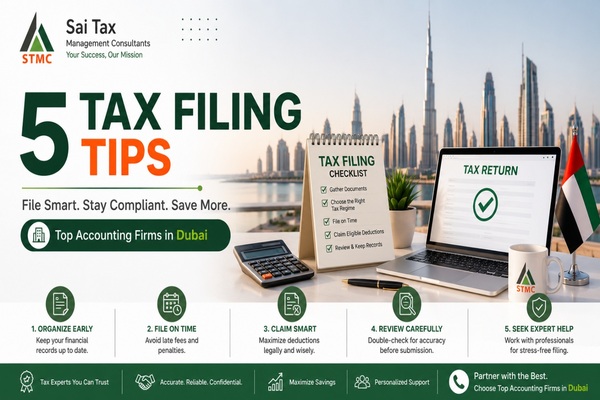
For businesses seeking broader accounting support, our guide on 5 Tips for Small Businesses Filing Their Taxes offers additional guidance on maintaining organized financial records.
How Can VAT Consultants Help With Registration?
Determining whether you need to register can sometimes be more complicated than simply checking whether your sales exceed AED 375,000.
Professional VAT consultants can help businesses:
Assess taxable turnover
Review taxable and exempt supplies
Identify zero-rated transactions
Assess imports
Determine mandatory or voluntary registration
Prepare the VAT registration application
Organize supporting documents
Establish VAT accounting procedures
Review tax invoices
Prepare VAT returns
Reconcile input and output VAT
Support FTA correspondence
Sai Tax Management Consultants provides tax, accounting and VAT-related services for businesses operating in Dubai and across the UAE.
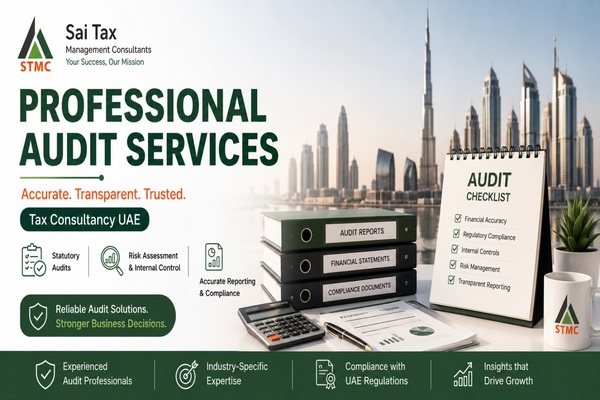
Businesses can also explore our Professional Audit Services in UAE for Companies guide to understand how audit and financial reporting can support wider tax compliance.
Frequently Asked Questions
Is VAT registration mandatory in Dubai?
For UAE-resident businesses, registration is generally mandatory when taxable supplies and imports exceed AED 375,000 during the previous 12 months or are expected to exceed the threshold within the next 30 days.
Can I voluntarily register for VAT below AED 375,000?
Yes. A UAE-resident business may generally apply for voluntary VAT registration when its taxable supplies, imports or taxable expenses exceed AED 187,500, subject to the applicable requirements.
Do zero-rated supplies count toward VAT registration?
Yes. Zero-rated supplies are generally included when calculating taxable turnover for VAT registration, while exempt supplies are treated differently.
Do Free Zone companies need VAT registration?
Free Zone businesses are not automatically exempt from VAT. If they meet the applicable VAT registration requirements, they may need to register.
How can I register for VAT in Dubai?
VAT registration is completed through the FTA's EmaraTax platform. Businesses need to create a taxable person profile, select VAT registration, provide the required information and submit supporting documents.
Conclusion
VAT registration is an important compliance responsibility for businesses operating in Dubai and throughout the UAE.
The most important point is that VAT registration is not automatically mandatory for every business. UAE-resident businesses generally need to register when taxable supplies and imports exceed AED 375,000, while voluntary registration may be available from AED 187,500, subject to the applicable rules.
Businesses should also remember that taxable turnover can include zero-rated supplies, while exempt supplies are treated differently.
If you are approaching the VAT threshold or are unsure whether you need to Register for VAT Dubai, obtaining professional advice can help you understand your obligations and avoid preventable compliance issues.
Need Help With VAT Registration in Dubai?
Sai Tax Management Consultants provides professional VAT registration, VAT filing, tax advisory and compliance support for businesses across Dubai and the UAE.
Whether you are a startup approaching the VAT threshold, an established business that has recently crossed the threshold or a company looking to review its existing VAT procedures, our team can provide practical guidance.
Don't wait until a VAT deadline becomes a compliance problem. Get your VAT position reviewed and take the right steps with confidence.
Book an Appointment With Sai Tax Management Consultants Today